Banks process trillions in transfers annually, yet most consumers rely on cards for everyday purchases. Account to account transfers, known as A2A payments, shift funds directly from one bank account to another without cards or intermediaries. This method gains traction in regions embracing open banking, offering lower costs and faster settlements than traditional rails.
An account to account transfer starts when a payer authorizes their bank to push funds to a recipient's account. No plastic or network fees involved. Businesses adopt A2A payments to reduce merchant discount rates, while consumers enjoy instant confirmations. Understanding A2A meaning unlocks options beyond Visa or Mastercard dominance.
This article breaks down A2A payments mechanics, compares them to legacy systems, highlights advantages, and addresses hurdles. Readers walk away equipped to evaluate A2A for personal or commercial use, spotting opportunities in evolving payment landscapes. Whether exploring a2a pmt debit terminal for retail or account to account payments for remittances, the insights here clarify real-world applications.
Understanding A2A Payments Basics
A2A payments form the backbone of direct bank-to-bank transactions. They eliminate reliance on closed payment networks, enabling payers and payees to connect accounts seamlessly.
What Does A2A Mean?
A2A stands for account-to-account, denoting transfers between bank accounts. The a2a meaning centers on direct debit or credit instructions, often powered by APIs under open banking frameworks. Unlike card payments, no tokenization or recurring fees apply.
Key Components of Account to Account Payments
Core elements include payer consent, bank APIs, and settlement rails. Payer banks verify funds and instruct recipient banks to credit accounts. Confirmation loops back instantly in real-time systems.
- Payer authentication via app or biometrics
- Secure token exchange between institutions
- Real-time balance updates
Evolution of A2A Transfers
A2A traces to batch systems like ACH, but real-time variants emerged with PSD2 in Europe. UK mandates like Confirmation of Payee bolster fraud prevention in account to account transfers.
How Account to Account Transfers Work
The A2A process unfolds through standardized protocols, ensuring reliability across banks.
The Process Step-by-Step
Payer selects A2A at checkout, authenticates with their bank, specifies amount and recipient details. Bank debits payer, credits payee—often within seconds. No chargebacks complicate reconciliation.
Role of Open Banking
Open banking APIs enable third-party access to account data with consent. This powers a2a payments initiation, allowing fintechs to orchestrate transfers without holding funds.
A2A PMT Debit Terminal Explained
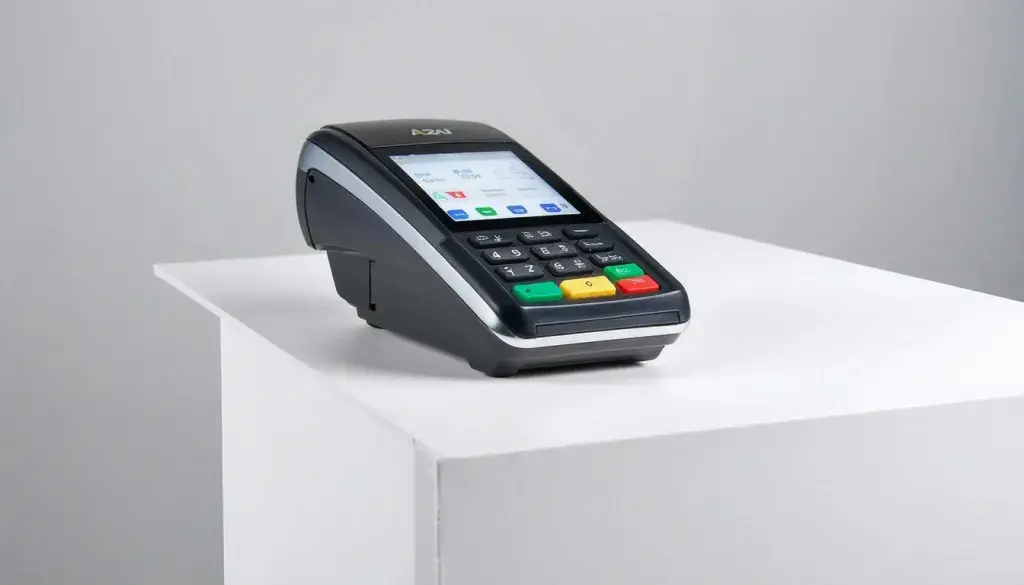
A2a pmt debit terminal refers to point-of-sale devices supporting account to account payment debits. Merchants scan QR codes or enter account details, pulling funds directly—ideal for high-value sales bypassing card limits.
Benefits of A2A Payments
A2A delivers tangible gains in efficiency and cost for all parties.
Cost Savings
Merchants avoid 2-3% card fees, passing savings to customers. Banks charge fractions for A2A processing.
Speed and Security
Real-time execution outpaces ACH days-long clears. Biometric consents and account verification reduce fraud over card-not-present risks.
For Businesses
Subscriptions recur without card expiry issues. B2B payouts settle instantly, improving cash flow.
For Consumers
Peer-to-peer sends cost nothing extra. No foreign exchange markups on cross-border A2A where supported.
A2A vs Traditional Payment Methods
A2A shines in scenarios demanding low cost or high speed, but cards persist for convenience.
Compared to Cards
Card networks add layers and fees; A2A skips them for direct access. Cards suit small impulse buys; A2A excels in larger, verified transactions.
Compared to ACH
ACH batches overnight; A2A operates continuously. Both low-cost, but A2A adds push-pull flexibility.
When to Use Each
Choose A2A for e-commerce over £100 or payroll. Cards fit quick retail taps.
Challenges and Limitations
Despite strengths, A2A faces adoption and technical barriers.
Adoption Barriers
Not all banks integrate APIs fully. Consumer familiarity lags behind card swipes.
Regulatory Considerations
Regimes like SCA mandate strong authentication, slowing flows. Cross-border rules vary widely.
Technical Hurdles
Legacy systems resist real-time. Error handling demands robust reconciliation.
Future of Account to Account Payments
A2A expands as infrastructure matures globally.
Emerging Trends
Embedded finance integrates A2A into apps. Variable recurring payments allow flexible subscriptions.
Global Perspectives
Europe leads via PSD2; US explores via FedNow. Emerging markets leapfrog to A2A with mobile banking.
Frequently Asked Questions
Is an A2A payment reversible?
Most A2A transfers finalize irreversibly, like cash. Payer banks recall funds only in fraud cases with evidence. Merchants prefer this finality over card disputes.
How secure are account to account transfers?
Security relies on bank-grade encryption and consent models. Confirmation of Payee matches accounts to prevent errors. Multi-factor authentication exceeds card CVV standards.
Can I use A2A for international payments?
Yes, where schemes align, like SEPA in Europe. Fees stay low, speeds vary by corridor. Check bank support for recipient countries.
What is an A2A PMT debit terminal?
These terminals at POS initiate direct debits from customer accounts. Scan or manual entry replaces card taps, suiting contactless high-value payments.
Do all banks support A2A payments?
Major banks in open banking regions do. Smaller institutions join via aggregators. Verify via app or merchant tools.
Are A2A transfers faster than wire transfers?
A2A settles in seconds domestically, versus wires' same-day. International wires lag days; A2A equivalents accelerate where available.